

 23.10.2026
 2 min read
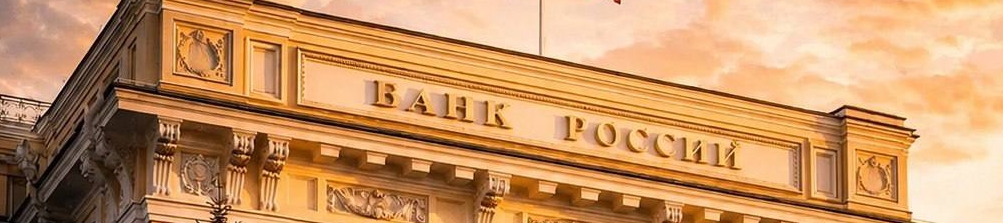
The Bank of Russia has decided to keep the key rate at 14% per annum. This is the second consecutive rate retention at the current level. At the same time, the regulator presented an updated medium-term forecast, in which it significantly worsened estimates for a number of key indicators.
Why did the bid stay the same?
The economy is growing at a moderate pace in the second half of 2026, but price pressures remain elevated and inflation expectations remain high. The steady increase in prices is not decreasing and is in the range of 5-6% per year. The Central Bank explains this primarily by the impact of a temporary reduction in production capacity in certain industries. Annual inflation now stands at 6.8%, and volatile positions continue to affect price dynamics, primarily motor fuels.
Tension in the labor market is gradually decreasing: the availability of personnel to enterprises is improving, although the situation is heterogeneous across industries, and unemployment is near historical lows. Credit activity increased in the third quarter of 2026, primarily due to the corporate segment. Wage growth is slowing down and gradually approaching the growth of labor productivity, but the gap in their dynamics is still significant.
Inflation and rate forecast
By the end of the year, annual inflation will be in the range of 7.1-7.6%. The baseline scenario assumes an average key rate in the range of 12.5-13.5% per annum in 2027, and inflation should decrease to the target 4%. The average inflation in 2026, according to the updated forecast, will be 6.2-6.3% against 4.5-5.5% in the previous version, in 2027 - 5.2-5.7%. In 2028-2029, it is expected to reach the target level of 4%.
Fiscal policy over the medium term will help slow down inflation, but if its parameters change, monetary policy adjustments may be required. The next key rate meeting will be held on December 18.
The economic outlook has worsened
The Central Bank lowered its GDP growth forecast: in 2026, the economy will grow by 0.5-1%, in 2027 - by 1-2% (previously assumed 0.5–1.5% and 1.5–2.5%, respectively). In 2028-2029, the growth is estimated at 1.5-2.5%.
The external parameters have been significantly adjusted. By the end of 2026, the price of Russian oil will be 72 dollars per barrel, in 2027 it will decrease to 55, and in 2028-2029 - to 50. The current account balance by the end of 2026 will amount to 71 billion dollars against the previously expected 10 billion. Next, the Central Bank expects a sharp decline - to 31 billion in 2027, 14 billion in 2028 and 10 billion in 2029, which will be associated with a reduction in exports and an increase in imports.
The forecast for mortgage growth in 2026 has been lowered from 6-11% to 6-9%, and to 5-10% in 2027. Further, according to the expectations of the regulator, it will be 10-15% per year.
Thus, the Central Bank notes the persistence of increased inflationary pressure with a deterioration in forecasts for economic growth and external parameters, which led to a pause in the rate cut.
Read also:
01.09.2026
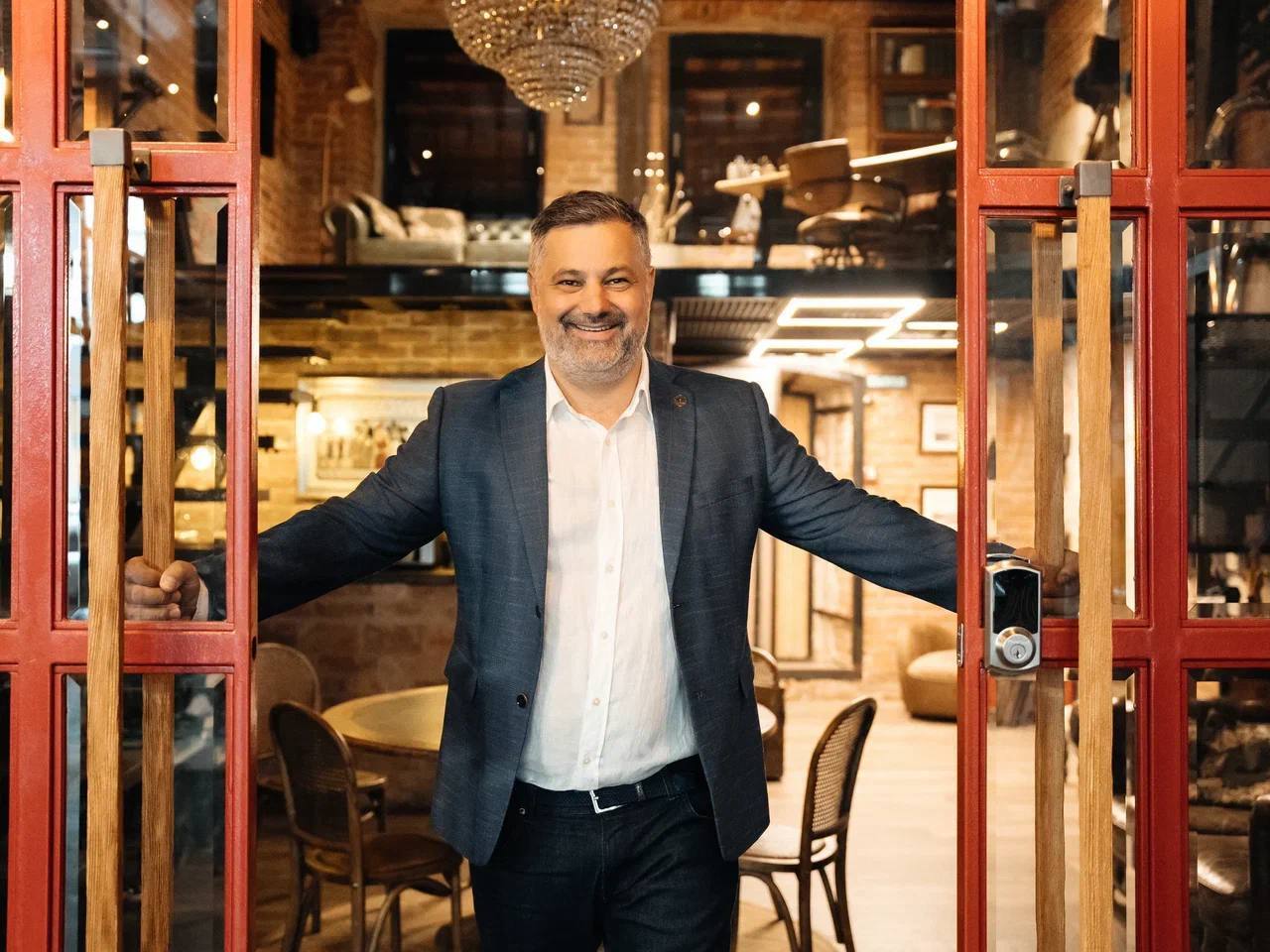
Nothing superfluous, a hundred times faster. Double celebration for the MARALIN team.
Dear Alexey! Today, MARALIN is marked not just in red, but in gold on the calendar. 26 years ago, the first step was taken that led to the creation of one of the strongest teams on the market. However, this birthday has become unique for us — a double celebration. Because you, as a true leader, decided to turn a personal date into a springboard for the renewal of the entire company.
Read article
22.10.2026
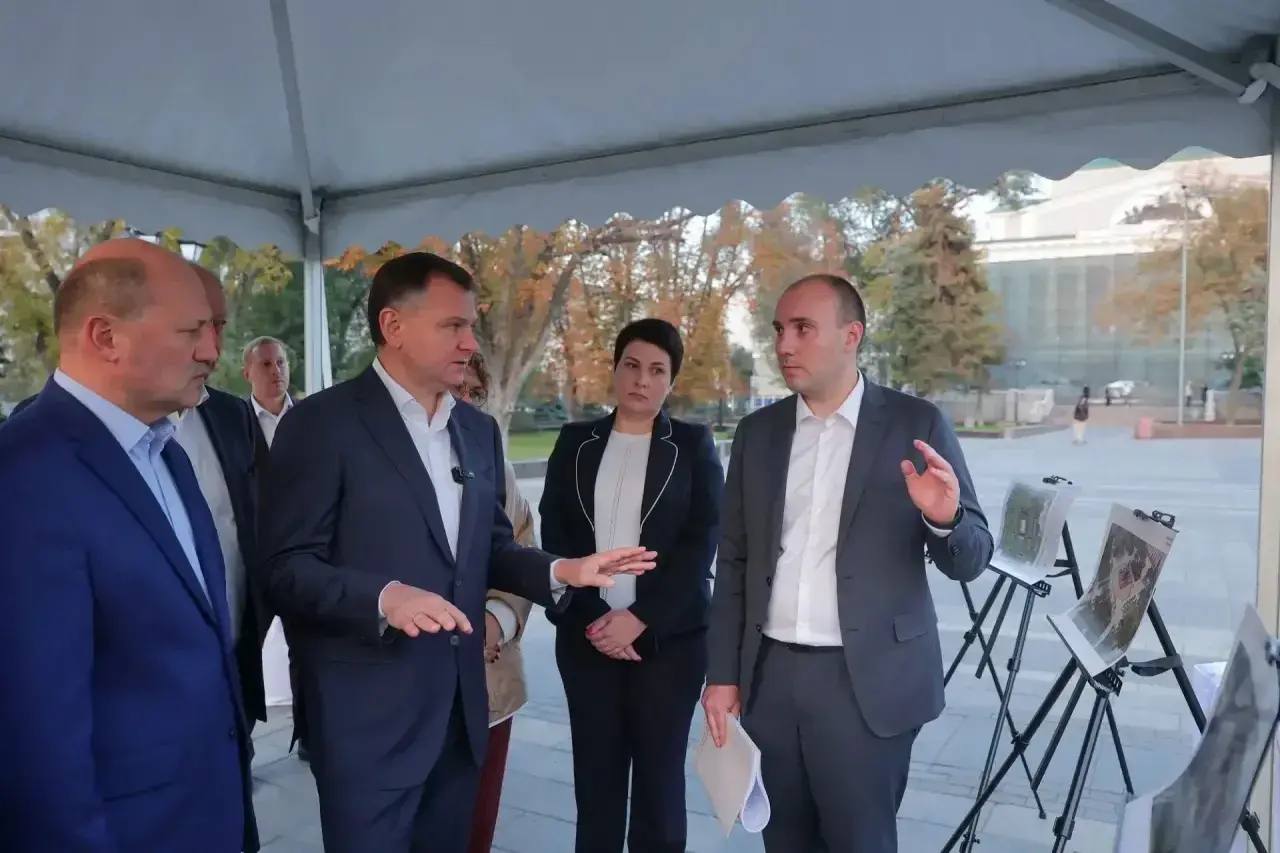
Historical appearance and modern architecture. modernization of the center starts in Rostov from Voroshilovsky Prospekt
A large program of modernization of the historical center has begun in Rostov - starting from Voroshilovsky Prospekt The governor of the Rostov region, Yuri Slyusar, together with the head of the city, Alexander Scriabin, walked through the center of Rostov and assessed what had already been done and what decisions needed to be implemented.
Read article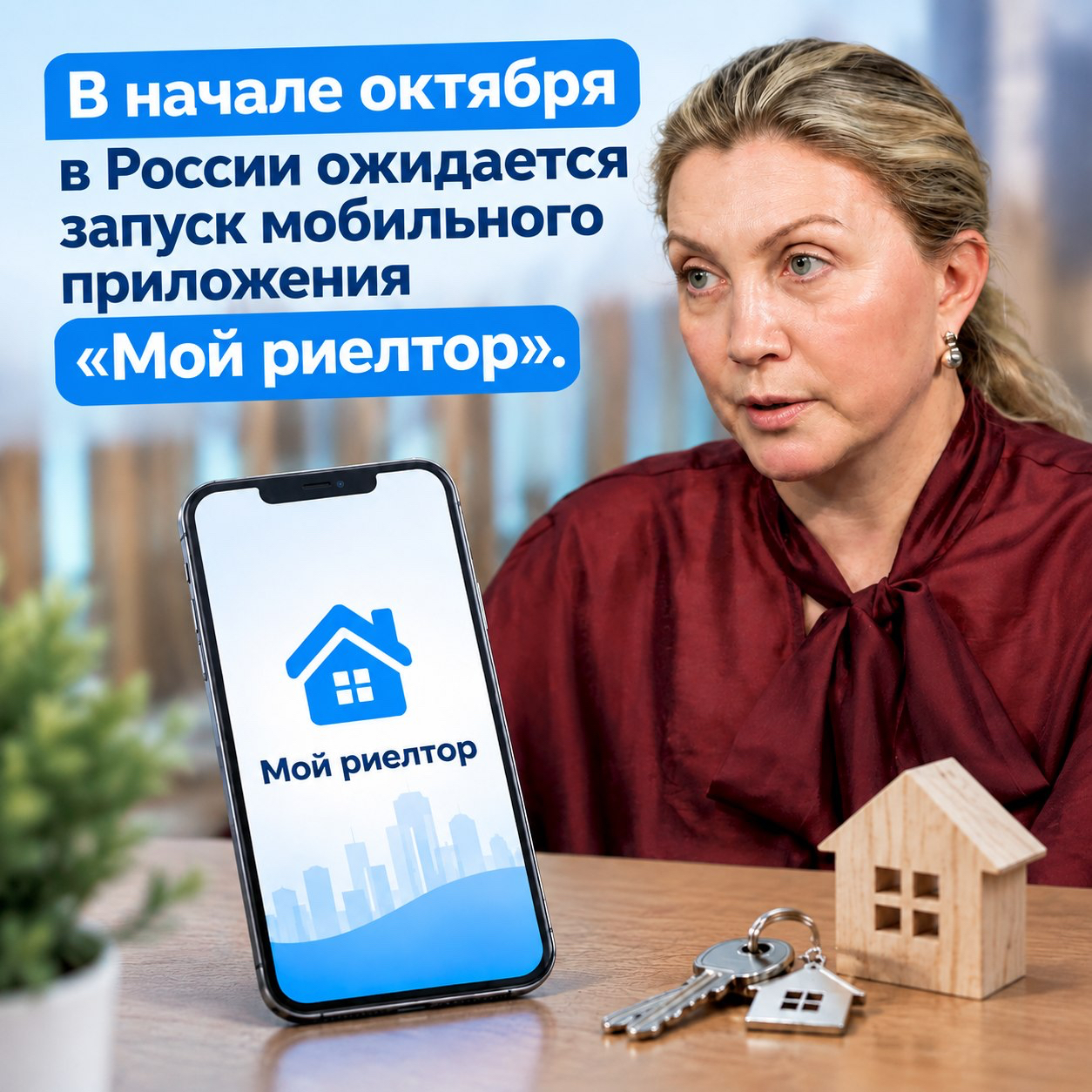
24.09.2026
My real estate agent. In Russia, they are launching an app to protect against scammers in the real estate market.
The real estate market is traditionally considered one of the most complex and risky sectors for the average citizen. History knows many cases where, in the pursuit of square meters, people lost their savings, becoming victims of unscrupulous intermediaries or outright fraudsters. However, as early as the beginning of October, an event will take place in Russia that promises to radically change the rules of the game. The launch of the mobile app “My Realtor” is expected — a service designed to become the main tool for ensuring safety when conducting real estate transactions.
Read article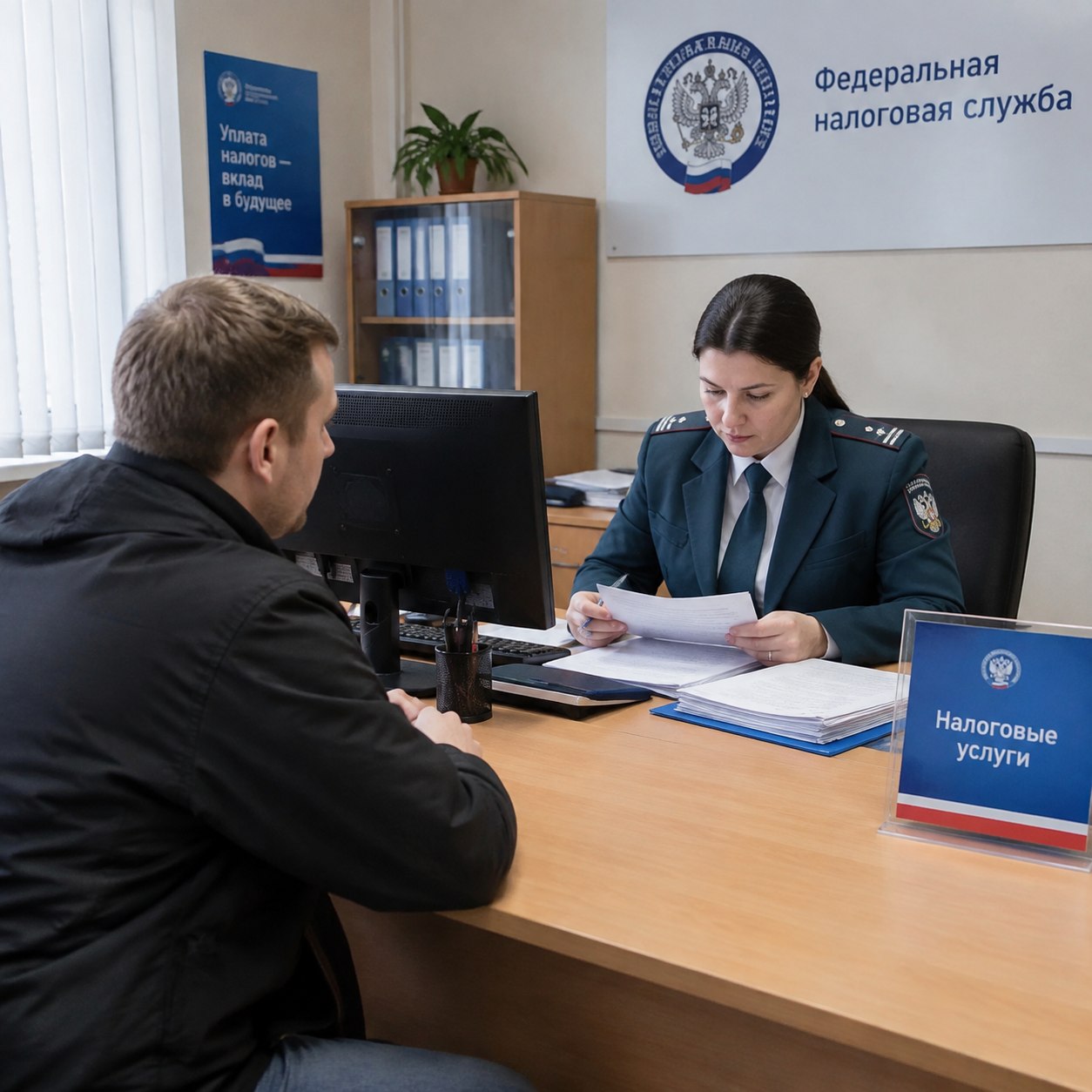
29.09.2026
You rent an apartment, but you don't pay taxes? The tax service is already watching
Owners of residential and commercial real estate who do not have an officially confirmed source of income have come under increased attention from fiscal authorities. This is not a one-time check, but a systematic and systematic effort to bring citizens' incomes out of the "shadow." The supervisors are looking at tens of thousands of able-bodied people who own movable and immovable property, but do not declare their income.
Read article


