


 06.10.2026
 2 min read
A gift agreement is an agreement under which one party transfers property to another party free of charge. If we are talking about real estate, the agreement between citizens must be certified by a notary, and the transfer of ownership rights is registered with Rosreestr. However, this transaction has important nuances that both the donor and the recipient should take into account.
Who cannot make a gift
The law strictly limits the participation of incapacitated persons in transactions. It is not allowed to make a gift on behalf of a child who has not yet reached the age of 14, or of a person declared incapacitated, if the value of the gift exceeds 3,000 rubles. The only exceptions are ordinary gifts of low value. The full list of prohibitions is contained in Article 575 of the Civil Code of the Russian Federation.
Can you change your mind?
The recipient has the right to refuse the gift at any time before it is actually transferred. If the agreement was concluded in writing, the refusal must also be formalized in writing (Article 573 of the Civil Code of the Russian Federation).
The donor cannot simply change their mind and take the item back. The law provides strict grounds for revoking a gift through the court (Article 578 of the Civil Code of the Russian Federation). For example, if the recipient intentionally inflicted bodily harm on the donor or attempted to take their life. The transaction can also be revoked if the donee handles the gifted item carelessly, creating a risk of its irreversible loss. This is especially relevant if the item has significant non‑monetary value for the donor.
Tax consequences
Many people are concerned about the issue of taxes. Personal income tax does not apply if the gift is received from a family member or a close relative. In other cases, when receiving real estate, a car, shares, or shares as a gift, tax must be paid.
In addition, tax will have to be paid upon the subsequent sale of the gifted property if the minimum holding period (usually 3 or 5 years) has not expired. In this case, the difference between the sale price and the donor’s confirmed expenses is subject to tax, or a property deduction is applied.
Gift of a share
If you own a part of an apartment or house, you can gift your share to anyone without needing the consent of the other owners. This is a direct exception to the rules.
However, if you decide to sell your share later, the right of first refusal comes into effect. You are required to notify the other participants in the shared ownership in writing about the price and terms of the sale. Only if they refuse to buy within a month can you sell the share to a third party.
Thus, gifting is a convenient tool, but it requires legal knowledge. Take into account age restrictions, the consequences of canceling the transaction, and tax obligations to avoid problems in the future.
Read also:

30.09.2026
No one needs your luxury apartment as long as everyone is selling it
Why “working with everyone” means not selling to anyone. A view from the head of an elite real estate agency. My name is Alexey Sergeevich Maralin, and I run the elite real estate agency “Maralin”. Over the years, we have gone through many stages of market evolution, but the topic I want to address today is perhaps the most painful for our segment. We will be talking about how the owner manages their asset at the start of the sale.
Read article

06.08.2026
They want to oblige realtors to refund the commission when canceling transactions.
Law enforcement agencies have taken the initiative to introduce a special procedure for regulating the work of intermediaries in the housing market. It is proposed to oblige brokers to return remuneration to clients if the purchase and sale agreement was subsequently annulled by the court. According to the available documents, this proposal is being considered for inclusion in the updated package of measures to combat cybercrime (the so-called "Antifraud 3.0").
Read article
27.08.2026
New edition of the Water Code: prohibitions, exceptions and how to remove the status of a flood zone
Since August 4, 2026, amendments to the Water Code have entered into force in Russia, which significantly tighten the requirements for the use of areas subject to flooding and flooding. The main innovation is a complete ban on capital construction in such zones
Read article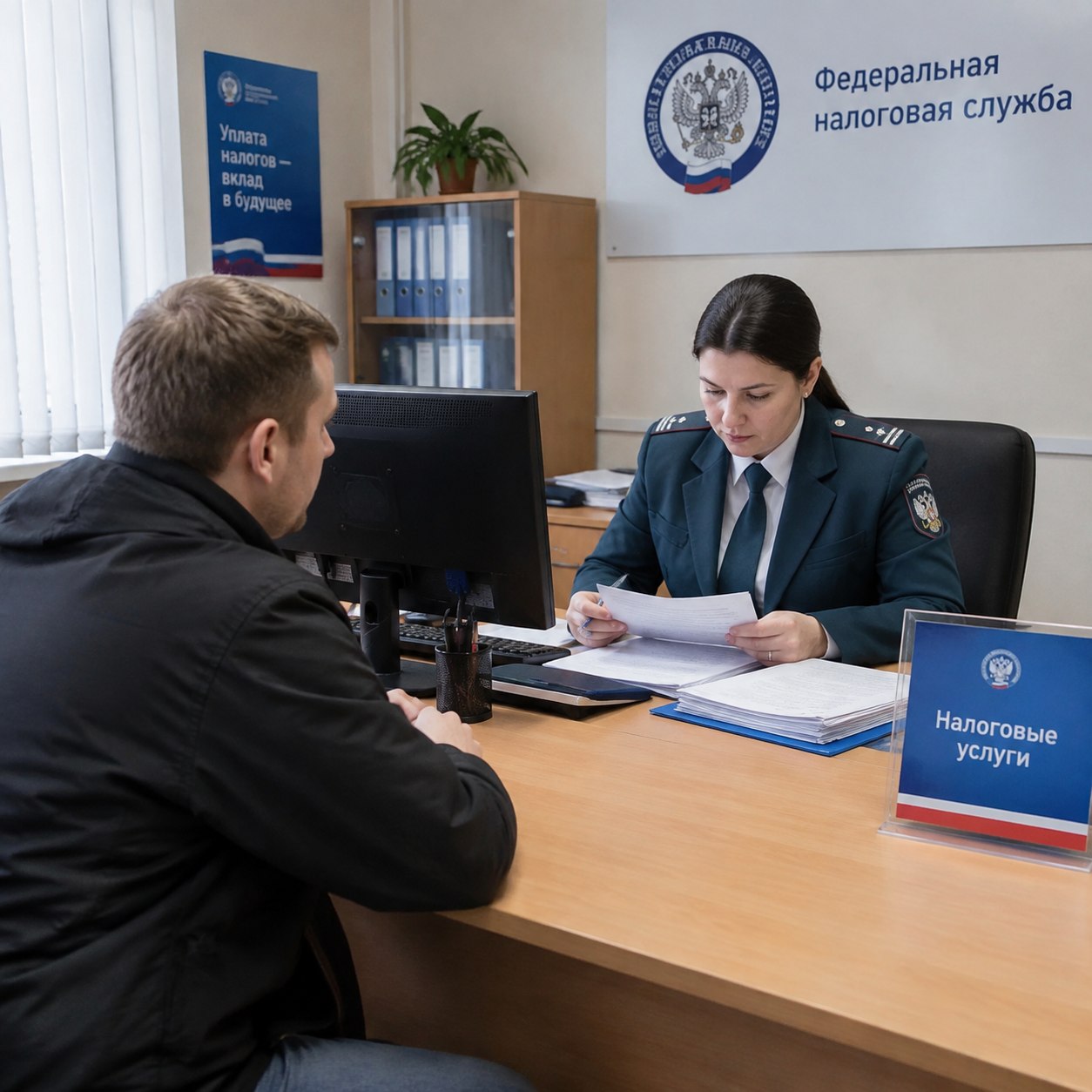
29.09.2026
You rent an apartment, but you don't pay taxes? The tax service is already watching
Owners of residential and commercial real estate who do not have an officially confirmed source of income have come under increased attention from fiscal authorities. This is not a one-time check, but a systematic and systematic effort to bring citizens' incomes out of the "shadow." The supervisors are looking at tens of thousands of able-bodied people who own movable and immovable property, but do not declare their income.
Read article


