

 06.11.2026
 3 min read
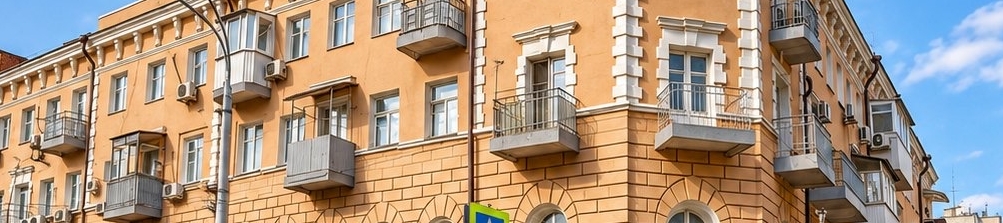
In the modern real estate market, an amazing struggle is unfolding: the centuries‑old “Stalin‑era” buildings not only hold their ground against gleaming new developments but also outperform them in many ways. Despite their considerable age, apartments in buildings from the Stalin era remain among the most sought‑after and expensive properties. Why are buyers willing to give up newly built square metres in favour of housing with a history? The answer lies in the quality, which has become rare today.
Spaciousness
The first thing that catches the eye when entering a Stalin‑era building is the air. High ceilings of 3–3.5 meters (and sometimes even more) create a sense of freedom that is lacking in typical new buildings with their standard ceiling height of 2.7 meters. It’s easier to breathe in such rooms, and the layout allows you to implement any design ideas.
Moreover, Stalin‑era buildings are real fortresses. Thick brick walls (60–80 cm) provide perfect sound insulation: you won’t hear your neighbours, and the apartment is warm in winter and cool in summer. In contrast, in new buildings, thin walls and paneled ceilings often become a source of noise and discomfort.
Layout and square footage: for living, not for reporting. Stalinist buildings were constructed for the nomenklatura and the military, so no expense was spared in terms of materials and space. Even one‑room apartments here can reach 40–50 m², while two‑room and three‑room apartments are 60–90 m². Large kitchens (8–15 m²), separate rooms, long corridors and high windows — all this creates an atmosphere of coziness and respectability. In new buildings, you often find “optimized” layouts where every square meter is squeezed for the sake of cost savings.
Location is everything.
Most Stalin‑era buildings are located in the city center or in historically established prestigious areas with ready‑made infrastructure: parks, schools, metro stations, and shops. New buildings, on the other hand, are often located on the outskirts, where the infrastructure is still being developed. Living in the city center in a building with a history is not just convenient — it’s a status symbol.
Atmosphere and construction quality.
Stalin‑era buildings were constructed “with soul”: parquet floors, stucco on the ceilings, wide staircases, and high doors. These buildings have already stood for 60–80 years and will last just as long. Modern new buildings, unfortunately, cannot always boast such durability and often require major repairs after just 10–15 years.
Of course, Stalin‑era buildings have their drawbacks: old utilities, the need for major repairs, and the lack of underground parking. But for those who value space, quiet, and historical architecture, these disadvantages are offset by enormous advantages.
Example from the “Maralin” luxury real estate catalog.
If you want to experience all the advantages of living in a Stalin‑era building, take a look at this exclusive property in our luxury real estate catalog. We’re talking about a wonderful apartment in a well‑known Stalin‑era building at 13 Bolshaya Sadovaya Street, built in 1952.
The apartment impresses with its features:
— ceilings of 3.80 m — an incredible amount of air and light;
— reinforced concrete floors — reliability and durability of the structure, additional sound insulation.
- Historical location — the real city center with impeccable infrastructure.
This apartment is the perfect choice for those who are not ready to put up with the compromises of new buildings and want to live in a house that only increases in value over the years and becomes increasingly valuable.
A Stalin‑era apartment is not just an apartment, it’s a way of life. If you’re ready to invest in renovation and value true comfort that has stood the test of time, a Stalin‑era apartment will be a better choice than a typical new building.
Read also:
17.09.2026
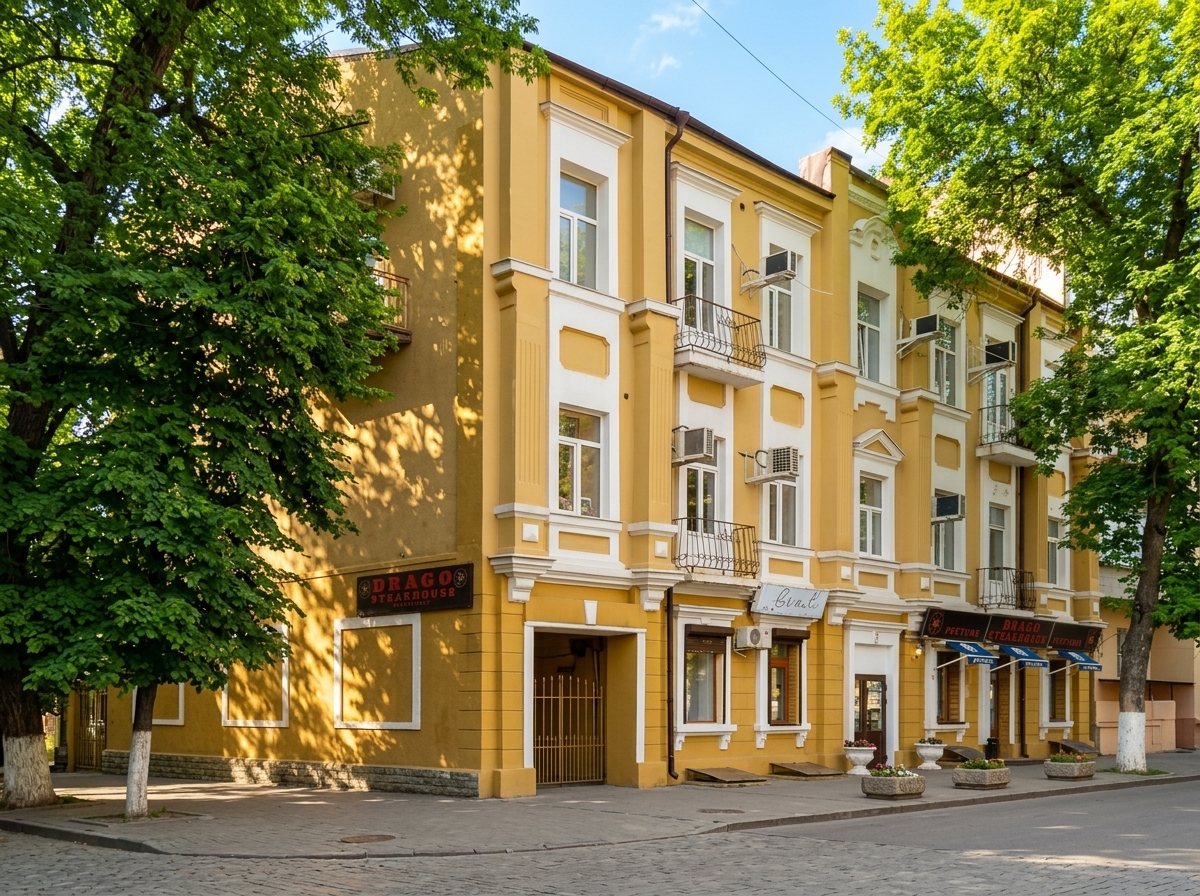
What the old house at 75 Suvorova Street hides: the history of the Rostov apartment building
The old Rostov houses have one special feature: from the outside they tell about architecture, but inside they tell about people. One of these addresses is 75 Suvorova Street in the very center of Rostov-on-Don.
Read article

30.09.2026
No one needs your luxury apartment as long as everyone is selling it
Why “working with everyone” means not selling to anyone. A view from the head of an elite real estate agency. My name is Alexey Sergeevich Maralin, and I run the elite real estate agency “Maralin”. Over the years, we have gone through many stages of market evolution, but the topic I want to address today is perhaps the most painful for our segment. We will be talking about how the owner manages their asset at the start of the sale.
Read article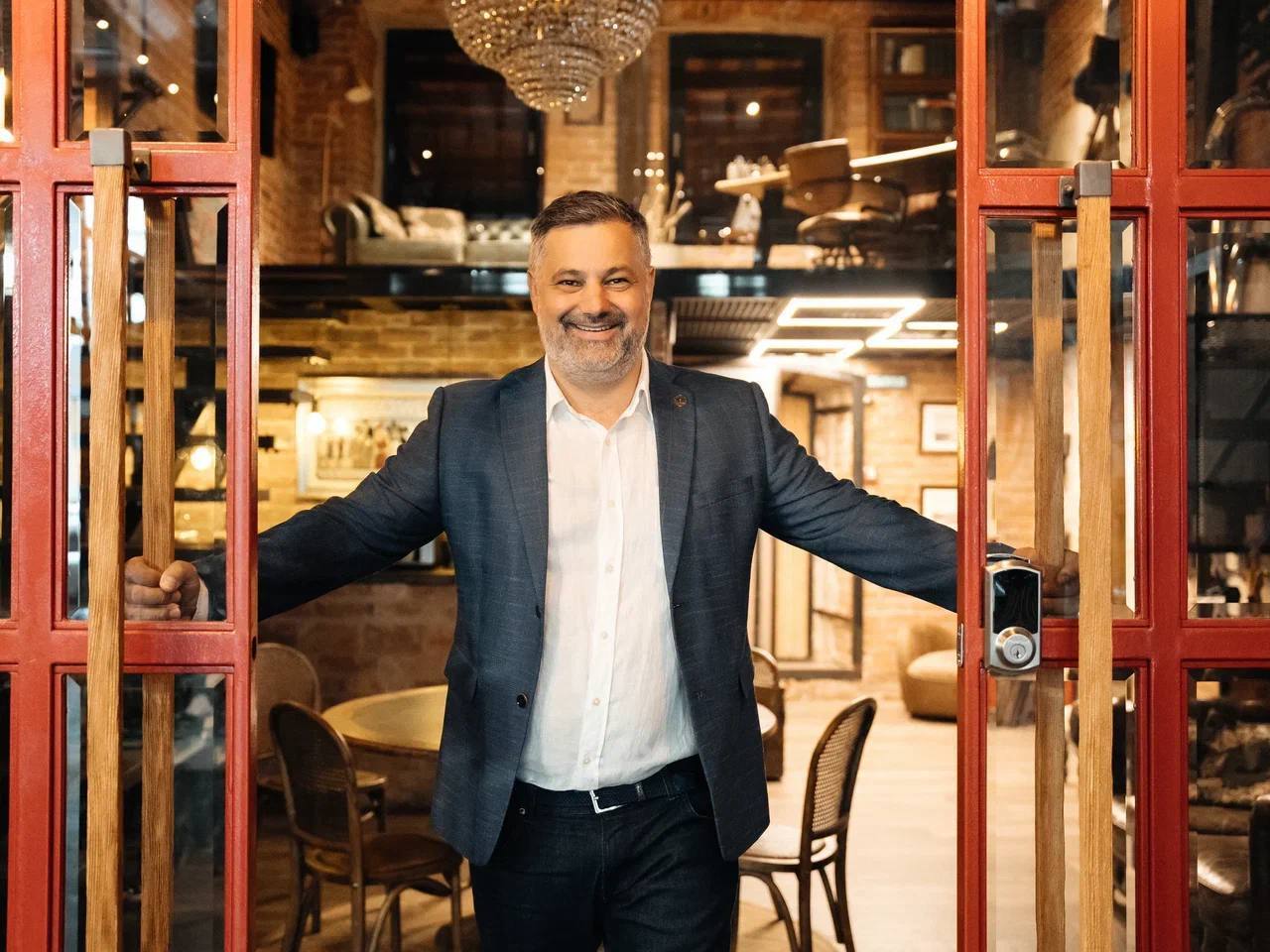
01.09.2026
Nothing superfluous, a hundred times faster. Double celebration for the MARALIN team.
Dear Alexey! Today, MARALIN is marked not just in red, but in gold on the calendar. 26 years ago, the first step was taken that led to the creation of one of the strongest teams on the market. However, this birthday has become unique for us — a double celebration. Because you, as a true leader, decided to turn a personal date into a springboard for the renewal of the entire company.
Read article
29.09.2026
You rent an apartment, but you don't pay taxes? The tax service is already watching
Owners of residential and commercial real estate who do not have an officially confirmed source of income have come under increased attention from fiscal authorities. This is not a one-time check, but a systematic and systematic effort to bring citizens' incomes out of the "shadow." The supervisors are looking at tens of thousands of able-bodied people who own movable and immovable property, but do not declare their income.
Read article


