


 19.08.2026
 2 min read
When taking out a mortgage, the apartment becomes the buyer’s property from the very first day of the transaction. The bank, however, acts as the mortgage holder — this means that the property is subject to an encumbrance until the loan is fully repaid. If the borrower fails to fulfil their obligations, the financial institution has the right to initiate foreclosure on the collateral.
Let us examine the key legal rights of owners of such real estate.
Selling the apartment
The borrower has the right to independently look for a buyer for the pledged apartment in order to repay the existing debt to the bank ahead of schedule. To do this, they must submit an application to the lending institution indicating their intention to carry out the transaction. The bank will provide the exact amount of the remaining debt and outline the terms of the sale. All proceeds are used to repay the loan, after which the encumbrance is removed. If there is a surplus after settlements with the bank, it is returned to the former owner. This regulation is set out in Article 37.1 of Federal Law No. 102‑FZ (dated 16.07.1998).
Processing a property tax deduction
It is not necessary to wait until the end of the mortgage term to receive a personal income tax refund. If the property is registered in an official marriage, each spouse can claim their own deduction within the limits established by law and subject to other requirements. To do this, a tax return must be submitted.
Personal insurance
The law requires only mandatory insurance of the property being pledged as collateral. A policy covering the borrower’s life and health is voluntary, but refusing to take out such a policy may affect the loan terms — in particular, the final interest rate.
Refinancing
Refinancing is allowed: you can take out a new loan to repay the existing mortgage agreement. This is relevant, for example, when more attractive terms become available or when it becomes possible to link state subsidies.
Mortgage holidays
If the conditions stipulated by law are met, the borrower may request a grace period. An important addition: starting from September 1, 2026, the list of grounds for granting holidays will be expanded — it will include the birth or adoption of a second and subsequent children.
State support measures for families with children
The following tools are available:
- A preferential program with a rate of up to 6%.
- Maternity capital funds (targeted use is possible).
- A special payment to cover mortgage payments, intended for large families.
- Regional additional support programs (depending on the constituent entity of the Russian Federation).
Division of property upon divorce
In the absence of a prenuptial agreement, the following rules apply:
- Housing purchased during a legal marriage is considered joint property. If there are no grounds for a different distribution, the spouses’ shares are considered equal.
- An apartment purchased before the marriage is registered remains the personal property of the person who bought it. However, in court, a portion of the contributions made during the marriage from the joint budget may be taken into account.
Testamentary disposition of a mortgaged property. There is no need to coordinate your intentions with the bank. It is enough to visit a notary and draw up a will. The successors receive the property along with the remaining encumbrance and debt obligations, but their amount is limited by the market value of the inherited property. Appointments with a notary can be made online or by phone.
Read also:

06.10.2026
Age, cancellation, taxes: what you need to know about gifting
A gift agreement is an agreement under which one party transfers property to another party free of charge. If we are talking about real estate, the agreement between individuals must be certified by a notary, and the transfer of ownership rights is registered in Rosreestr. However, this transaction has important nuances that both the donor and the recipient should take into account.
Read article

01.09.2026
Nothing superfluous, a hundred times faster. Double celebration for the MARALIN team.
Dear Alexey! Today, MARALIN is marked not just in red, but in gold on the calendar. 26 years ago, the first step was taken that led to the creation of one of the strongest teams on the market. However, this birthday has become unique for us — a double celebration. Because you, as a true leader, decided to turn a personal date into a springboard for the renewal of the entire company.
Read article
28.09.2026
Rebooting “Maralin”: a new style, new opportunities, a new level of service
On September 1 of this year, the luxury real estate agency “Maralin” officially entered a new chapter in its history by announcing a complete and large‑scale rebranding. This event was not just a cosmetic update; it symbolizes a profound transformation of the company’s philosophy, its стремление to excellence, and its readiness to offer customers a service of a fundamentally new level.
Read article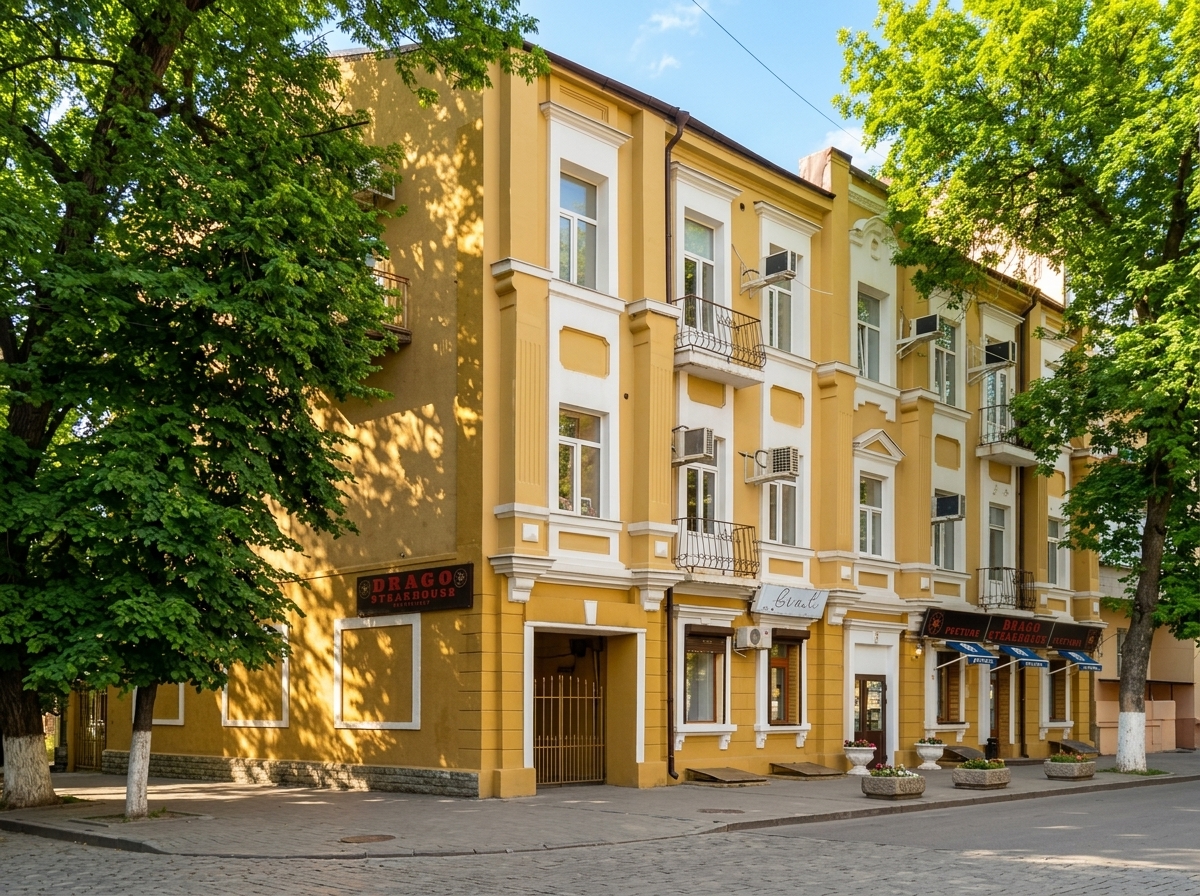
17.09.2026
What the old house at 75 Suvorova Street hides: the history of the Rostov apartment building
The old Rostov houses have one special feature: from the outside they tell about architecture, but inside they tell about people. One of these addresses is 75 Suvorova Street in the very center of Rostov-on-Don.
Read article


