

 25.02.2026
 3 min read
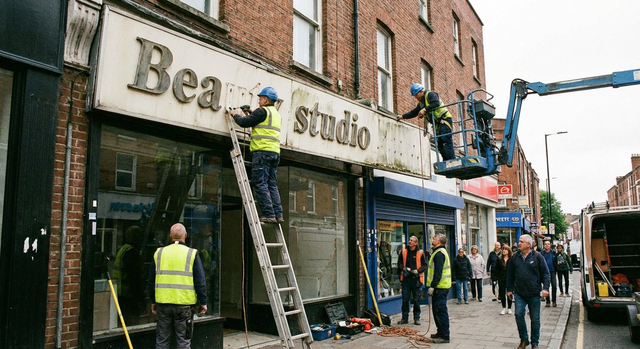
Starting from March 1, 2026, a number of legislative changes will come into force in Russia, which will affect almost all spheres of life: from personal finances and social benefits to business rules and management of apartment buildings. We have compiled a detailed digest of the main innovations for you. Changes in personal finances and social sphere 1. Doubling pensions for the elderly and disabled With the onset of spring, payments for two categories of citizens will increase. The fixed pension payment will double for those who turned 80 in February 2026. Citizens with the first disability group will automatically receive a similar increase (the supplement will be assigned regardless of age). 2. Prohibition of automatic subscription charges Online services will no longer be able to withdraw money from bank cards for various subscriptions without the explicit consent of the owner. Now, in order to extend or activate paid services, companies will need to receive a separate confirmation from the client. 3. New standards of air transportation The rules of air transportation will become more transparent for passengers. The regulations specify in detail the situations in which the airline is obliged to provide passengers with food and water (for example, in case of a long flight delay). 4. Hotel loyalty: refund of prepayment The rules for booking and staying in hotels, hostels and campgrounds are changing. A key innovation for tourists: now, if you cancel your reservation before the arrival date, they will be able to refund the full amount of the prepayment. 5. New calculation of the unified child allowance The method of calculating family income for assigning a single child allowance will change. In cases where alimony is not awarded by court, their amount will be calculated based on official data from Rosstat on the average salary in the region for the previous year. New rules for business and advertising 1. The priority of the Russian language on signage Restrictions are being introduced on the use of foreign words in public space. Now the information intended for general acquaintance (signs, signs, plaques) must be duplicated in Russian. What does this mean in practice?: If there is now an inscription in Latin only on the facade, for example, "Coffee Shop" or "Beauty Studio", from March 1 it should be supplemented with a clear Russian-language element: "Coffee shop" or "Beauty Studio". An important caveat: The law does not prohibit the use of foreign brands and names. The main requirement is that the Russian text be present, understandable to visitors, and occupy a primary rather than secondary place on the sign. 2. The names of residential complexes (LC) Developers will be required to use only Cyrillic for commercial names of capital construction projects and low-rise residential complexes if these names are used in advertising to attract funds from shareholders. At the same time, existing and built residential complexes will not need to be renamed. 3. Adjustment of the rules for the supply of products The changes will also affect contractual relations between suppliers and retail chains, which should affect the terms of cooperation and the range of shelves. 4. Register for freight forwarders Legal entities and individual entrepreneurs engaged in forwarding activities will be required to register and enter a special register. Housing and communal services and home management reform Significant amendments regulating the activities of management companies (CC) will come into force on March 1, 2026. 1. Stricter licensing controls Supervisors will receive a new tool — a special mobile application for conducting license control. The list of gross violations of licensing requirements has been expanded. These now include the existence of a court-confirmed debt of the Criminal Code to the regional garbage disposal operator (MSW). 2. Changing the inspection schedule Scheduled control measures will now be carried out with a different frequency: either one check every two years, or one mandatory preventive visit per year. 3. New powers of inspectors During the inspections, the inspectors will have additional opportunities. An instrumental inspection of buildings will be allowed during the inspection visit. As part of the on-site inspection, they will be able to request the necessary documents. In addition, the list of grounds for unscheduled inspections has been expanded. 4. New reporting form of the Criminal Code The form of the report on the management of an apartment building (MCD) and the exact list of information that must necessarily be reflected in it have been legally approved. It should be recalled that management organizations are required to publish such reports starting from the first quarter of 2026. 5. Shifting the payment deadlines for utilities For residents, the usual payment dates are changing: Housing and communal services for the past month now need to be paid by the 15th of the current month (previously, the deadline was the 10th). Accordingly, the deadline for submitting payment documents (receipts) is postponed from the 1st to the 5th day of the month following the settlement one.
Read also:
17.09.2026
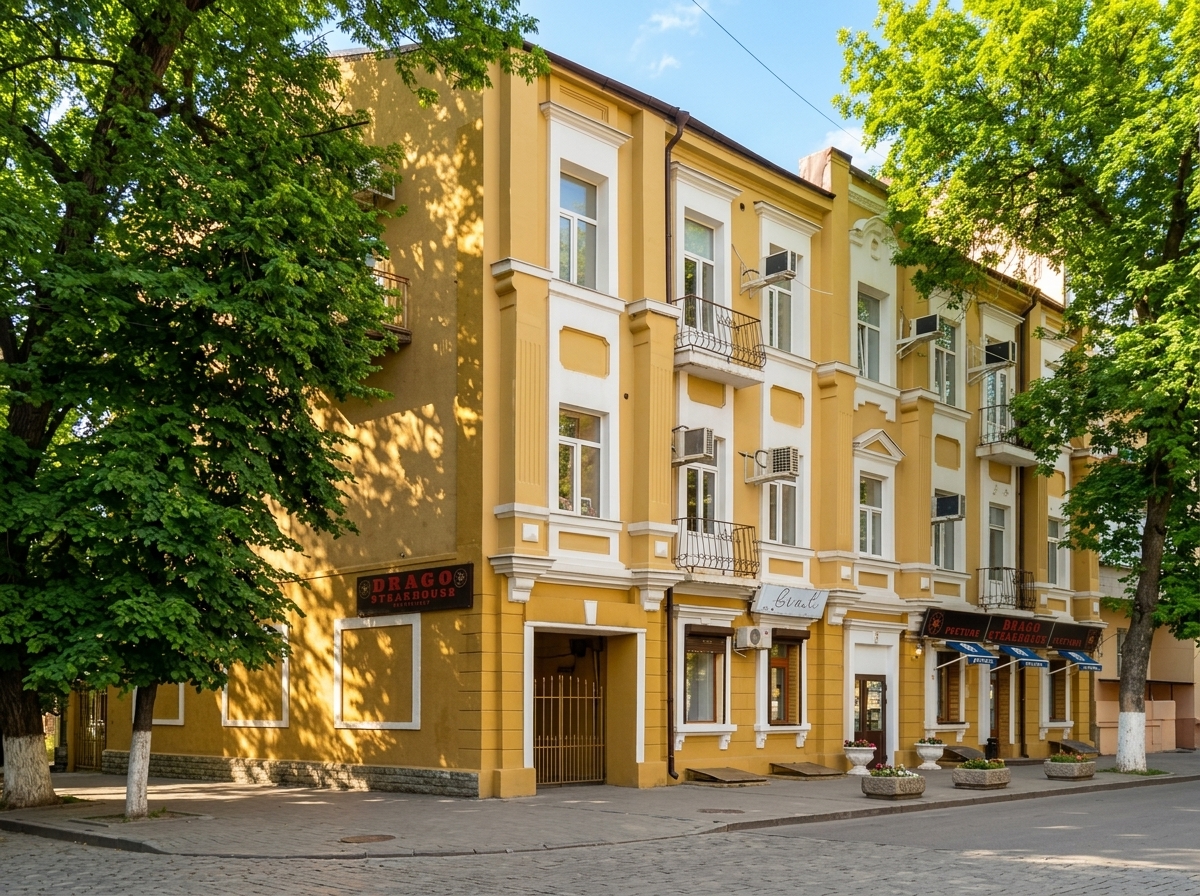
What the old house at 75 Suvorova Street hides: the history of the Rostov apartment building
The old Rostov houses have one special feature: from the outside they tell about architecture, but inside they tell about people. One of these addresses is 75 Suvorova Street in the very center of Rostov-on-Don.
Read article

20.10.2026
the State Duma proposed to raise the tax deduction limit fourfold
The State Duma Committee on Construction and Housing and Communal Services has taken the initiative to increase the maximum amount of property tax deduction when buying an apartment from the current 2 million to 8 million rubles. The main argument of the parliamentarians is simple: the current limit was set more than ten years ago and has long been divorced from real prices in the real estate market.
Read article
28.09.2026
Rebooting “Maralin”: a new style, new opportunities, a new level of service
On September 1 of this year, the luxury real estate agency “Maralin” officially entered a new chapter in its history by announcing a complete and large‑scale rebranding. This event was not just a cosmetic update; it symbolizes a profound transformation of the company’s philosophy, its стремление to excellence, and its readiness to offer customers a service of a fundamentally new level.
Read article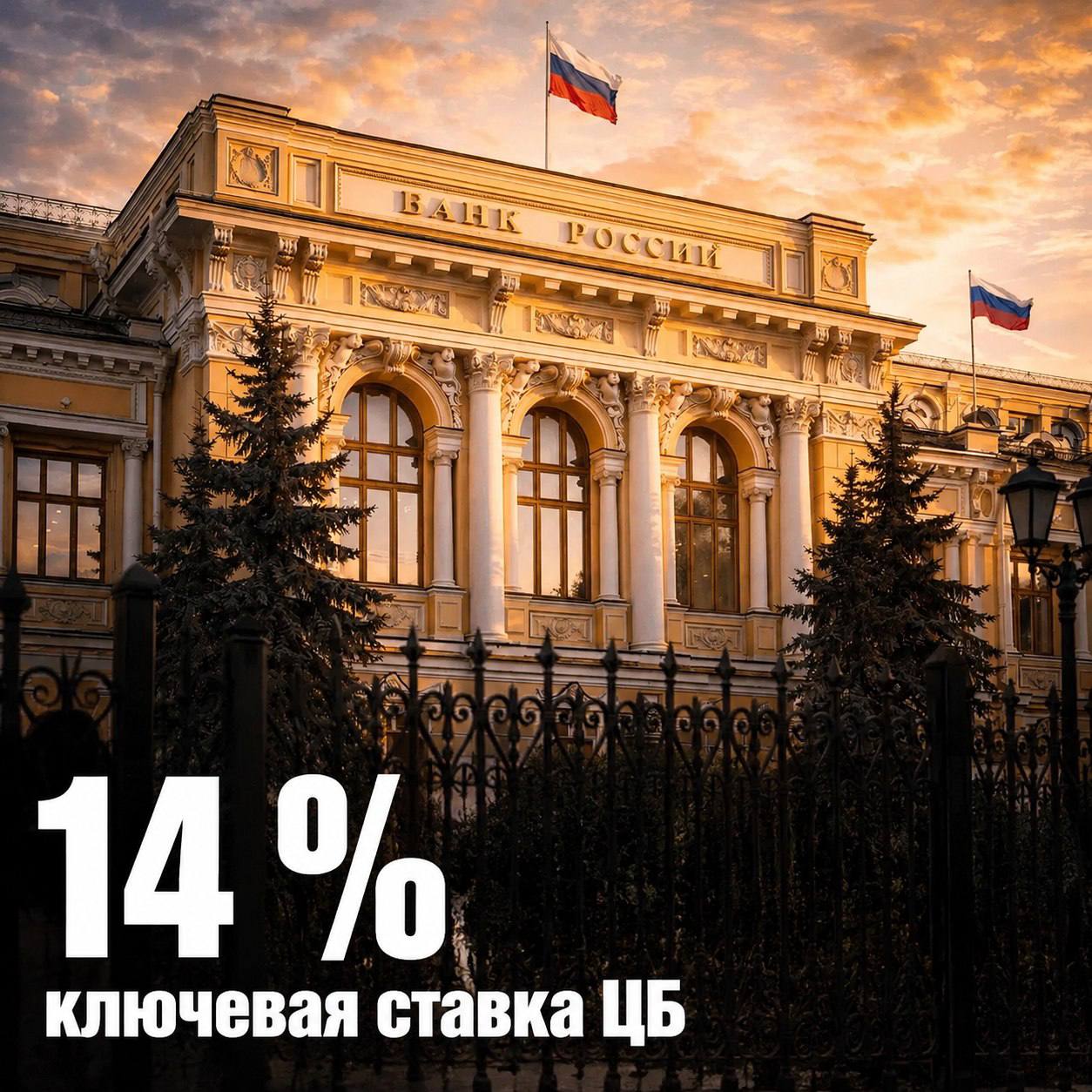
23.10.2026
The Central Bank took a break: the key rate remained at 14%
The Bank of Russia has decided to keep the key rate at 14% per annum. This is the second consecutive rate retention at the current level. At the same time, the regulator presented an updated medium-term forecast, in which it significantly worsened estimates for a number of key indicators.
Read article


